Как выбрать поставщика деталей металлической штамповки для автомобильного применения
Неисправный штампованный кронштейн может привести к дорогостоящему отзыву, остановке вашей производственной линии и ущербу для вашей репутации. Ставки требуют строгого выбора поставщика. Вашим первым фильтром должна быть сертификация IATF 16949 — система, обеспечивающая прослеживаемость и постоянное улучшение, а не просто оформление документов. Рынок отражает эту срочность: мировой спрос на автомобильные Изготовленные на заказ детали для штамповки металла достиг 89,67 млрд долларов США в 2022 году и, по прогнозам, достигнет 132,64 млрд долларов США к 2030 году.
|
Показатель |
Значение |
|---|---|
|
Размер мирового рынка (2022) |
89,67 млрд долларов США |
|
Прогнозируемый размер рынка (2030) |
132,64 млрд долларов США |
|
Среднегодовой темп роста (2021–2030) |
4,45% |
Помимо сертификации, необходимо оценить техническую глубину, системы качества и финансовую стабильность. Ищите партнера, предлагающего Услуги по прецизионной штамповке металла и надежные возможности производства Деталей для штамповки крепежных изделий Ваша цель: долговечные, высокоточные детали для штамповки металла, разработанные для требовательных автомобильных применений.
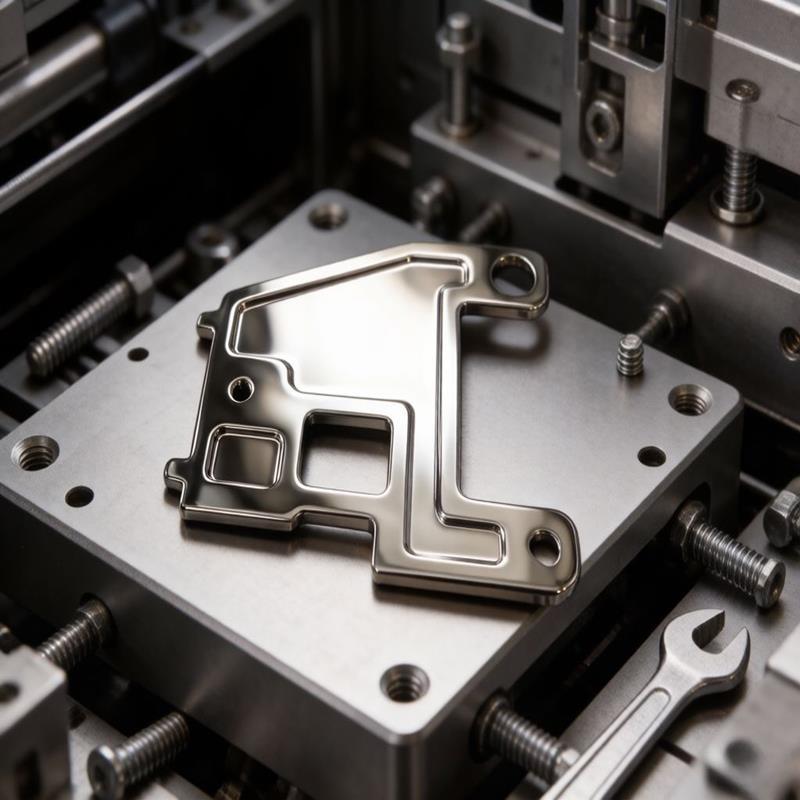
Качество является основой автомобильных Изготовленных на заказ деталей для штамповки металла. Эти компоненты выдерживают сильную вибрацию, перепады температур и воздействие коррозии на протяжении всего срока службы. Кронштейн крыла или колпак ступицы, выходящий из строя в середине цикла, приводит к гарантийным претензиям и подрывает доверие клиентов. Вам нужен поставщик, чьи системы качества соответствуют строгости ваших собственных инженерных стандартов.
Начните с проверки сертификации. IATF 16949 остается обязательным требованием, но необходимо убедиться, что область действия сертификата охватывает процессы штамповки на конкретной производственной площадке. Проверяйте глобальный реестр IATF напрямую, а не принимайте распечатанный сертификат. Общая сертификация без области применения для штамповки не дает никаких гарантий.
Помимо базового стандарта, особые требования клиентов OEM добавляют еще один уровень требований. VDA 6.3 для Volkswagen, Ford Q1, GM BIQS и CSR Stellantis предъявляют отдельные программные требования. Поставщик, работающий с несколькими OEM, должен одновременно сопоставлять и выполнять все применимые требования.
Запросите полный пакет PPAP уровня 3 из сопоставимой предыдущей программы. Он включает DFMEA, PFMEA, план управления, MSA и исследования Cpk. Внимательно изучите эти документы, а не просто отправляйте их в архив. Во время аудита на месте наблюдайте реальные данные SPC с фактического производственного цикла, а не сводку, подготовленную к вашему визиту. Убедитесь, что программы КИМ отражают текущую редакцию чертежа, а Cpk ≥ 1,67 для всех критических размеров.
Соответствие материалов требует такого же тщательного контроля. Запросите отчеты об испытаниях материалов, показывающие химический состав, предел текучести и удлинение, соответствующие указанной марке ASTM. Проверьте прослеживаемость номера плавки от исходного рулона до готовой детали. Обращайте внимание на смешанные партии без четких маркировочных ярлыков.
IATF 16949 требует полной прослеживаемости продукции для операций с листовым металлом. Это требует связывания каждой готовой детали с конкретной партией рулона или листа, обрабатывающим станком и ответственным оператором.
Эта цепочка прослеживаемости позволяет выполнять обратное отслеживание до точных партий материала и условий процесса спустя месяцы после производства.
Оценивайте показатели качества с использованием конкретных KPI:
|
KPI |
Измерение |
Целевой показатель |
|---|---|---|
|
Уровень дефектов (PPM) |
Количество несоответствующих деталей на миллион поставленных |
|
|
Выход годных деталей с первого прохода |
Процент деталей без необходимости доработки |
> 95% |
|
Размерная точность |
Критические размеры в пределах допуска |
100% для характеристик CTQ |
|
Коэффициент дефектов поверхности |
Царапины, заусенцы, дефекты покрытия |
|
|
Коэффициент SCAR |
Официальные запросы на корректирующие действия |
|
|
Изменчивость времени выполнения заказа |
Стандартное отклонение фактического времени от обещанного |
|
Высокая точность Услуги высокоточной штамповки металла требуют значительной мощности прессов. Примеры из отрасли показывают, что сервопрессы усилием 330 и 700 тонн используются для обработки сложных автомобильных компонентов. Возможность обеспечения допуска ±0,0005 дюйма или более строгого представляет собой стандарт точности для критически важных деталей безопасности.
Собственные возможности изготовления оснастки отделяют компетентных партнеров от простых посредников. Создание индивидуальной оснастки занимает от 8 до 26 недель, поэтому поставщик с внутренними возможностями проектирования и изготовления контролирует ваши сроки. Ищите программное обеспечение для 3D-проектирования оснастки, возможности моделирования и сенсорные технологии внутри штампа, обеспечивающие стабильное качество.
Оборудование инструментального цеха имеет значение: фрезерные и токарные станки с ЧПУ, электроэрозионная обработка для сложных профилей, плоское и профильное шлифование, а также выделенные ресурсы для калибров и приспособлений. Немедленная диагностика оснастки позволяет устранять проблемы в реальном времени без отправки штампов за пределы предприятия. Эффективность за счет близкого расположения означает более быстрый перезапуск линии при повреждении пуансонов, проблемах с выравниванием или изменениях конструкции.
Рекомендации по выбору материала завершают оценку. Ваш поставщик должен консультировать по долговечности, формуемости, толщине, твердости и коррозионной стойкости для каждого применения. Правильный партнер рекомендует оптимальную марку материала, а не использует по умолчанию то, что имеется у него на складе.
Индекс возможностей процесса поставщика (Cpk ≥ 1,33) является более надежным показателем соответствия ASTM, чем любой сертификат, размещенный на стене. Cpk измеряет фактическую стабильность производства относительно пределов спецификации, подтверждая, что процесс постоянно выпускает детали в пределах допуска. ISO 9001 лишь подтверждает наличие системы качества, но не соответствие марки материала. Для Деталей штамповки для крепежных изделий которые должны безупречно работать долгие годы, требуйте доказательств возможностей процесса, а не обещаний.
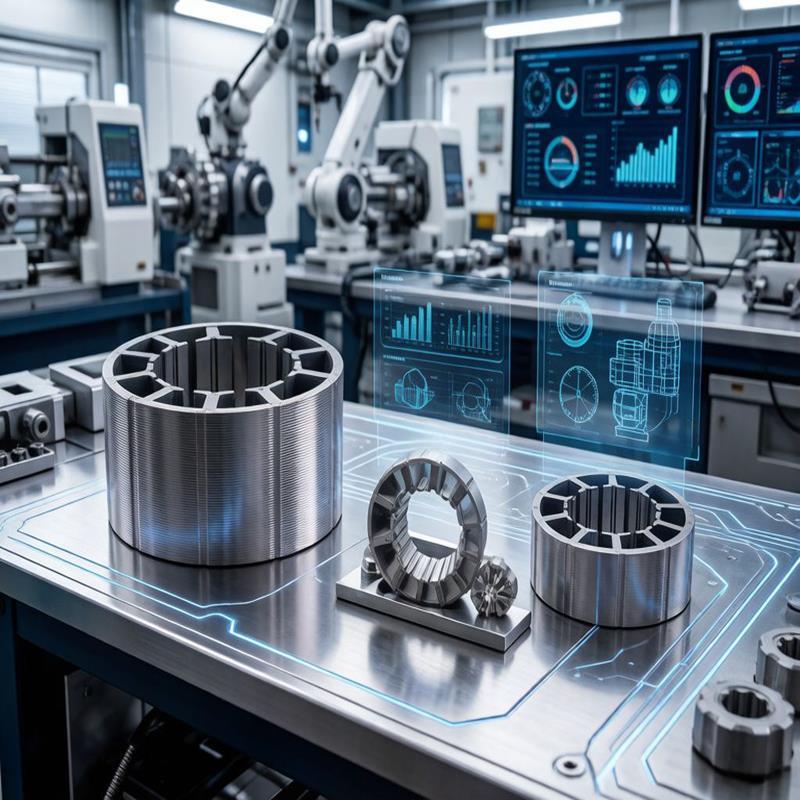
Цена за единицу мало говорит о реальной стоимости. Необходимо изучить полную структуру затрат на протяжении всего жизненного цикла программы. Брак и повторная обработка напрямую увеличивают расходы: потраченный впустую исходный материал, дополнительное машинное время, избыточные запасы и ускоренный износ штампов. Поставщик с высоким уровнем дефектов заставляет вас поглощать эти скрытые расходы через более высокие цены или задержки производства.
Интеграция проектирования с учетом технологичности производства (DFM) значительно снижает общую стоимость. Когда инженеры сотрудничают на ранних этапах, они упрощают конструкции, стандартизируют материалы и устраняют сложные элементы. Одна автомобильная компания достигла значительной экономии производственных затрат только за счет сокращения количества компонентов и использования стандартных материалов. Раннее сотрудничество также выявляет зависимость от единственного поставщика. Специальный разъем с ограниченным числом глобальных поставщиков и длительными сроками поставки создает уязвимость. DFM рекомендует стандартные альтернативы с большим количеством поставщиков и более короткими сроками поставки.
Larson Tool & Stamping регулярно обеспечивает снижение общей стоимости деталей на 20–25% благодаря перепроектированию оснастки, оптимизации операций и повышению выхода материала. Более низкий уровень дефектов напрямую приводит к снижению общей стоимости.
Необходимо проверить способность поставщика обеспечивать крупносерийное производство. Узнайте о тоннаже прессов и размерах рабочих столов, планах сменности и соотношении времени работы оснастки к времени работы оборудования. Двухсменная работа показывает больше доступных мощностей, чем трехсменный план, работающий на максимуме. Запросите их стандартную годовую мощность для вашей конкретной детали и рассчитайте общую эффективность оборудования (OEE) по формуле: фактический выпуск, разделенный на максимальную мощность, умноженный на 100.
Требуйте три сценария производственных мощностей: обычный план на основе прогноза, расширенный план для значительного роста спроса и аварийный план для внезапных скачков. Посетите предприятие, чтобы лично оценить операции. Оцените стратегии реагирования на отказы оборудования, нехватку материалов и перебои в транспортировке. Надежные поставщики поддерживают резервное оборудование, страховые запасы сырья и разнообразные стратегии снабжения. Программы управления запасами поставщиком дополнительно стабилизируют цепочку поставок.
Правильный поставщик обеспечивает долговечные Детали индивидуальной штамповки металла благодаря интегрированным Услугам высокоточной штамповки металла и надежным возможностям производства Деталей штамповки для крепежных изделий Эти детали штамповки металла должны поставляться стабильно, независимо от колебаний рынка.
Создайте оценочную карту поставщика на основе четырех ключевых направлений: сертификация IATF 16949, технические возможности, процессы обеспечения качества и совокупная стоимость владения. Включите такие показатели, как уровень дефектов в PPM и своевременность поставок. Стоимость никогда не должна преобладать над качеством или надежностью. Правильный партнер, такой как Jiaxin , расширяет вашу инженерную команду. Проверьте возможности с помощью пилотного проекта, чтобы обеспечить стабильное производство деталей штамповки металла.
Проверьте глобальный реестр IATF напрямую, используя номер сертификата поставщика. Убедитесь, что область действия сертификата явно охватывает процессы штамповки на производственной площадке, которую вы планируете использовать.
Запросите PPAP уровня 3 для серийных деталей. Этот пакет включает DFMEA, PFMEA, план управления, MSA и исследования Cpk. Критически изучите эти документы, а не просто архивируйте их.
Запросите три сценария мощности: обычный прогноз, увеличение производства и аварийный резкий рост. Рассчитайте общую эффективность оборудования, используя фактический выпуск, разделённый на максимальную мощность. Посетите предприятие, чтобы лично наблюдать за производственными операциями.
Категории
последний блог
 33#Building Huli Industrial Zones, Meixi Road, Xike Town, Tong'an Area, Xiamen,China


© авторское право: 2026 Jiaxin (Xiamen) Precise Metal Co.,Ltd. Все права защищены

IPv6 сеть поддерживается
Сканирование в WeChat

 русский