Что представляют собой штампованные детали из нержавеющей стали 304 и где они используются?
Вы используете Штампованные детали из нержавеющей стали 304 Когда вам нужны компоненты, устойчивые к коррозии и сохраняющие прочность, нержавеющая сталь марки 304 обеспечивает превосходную долговечность в сложных условиях эксплуатации. Производители изготавливают эти детали методом прецизионной штамповки. Вы найдете их в автомобильной, кухонной и промышленной продукции, обеспечивающей надежную работу.
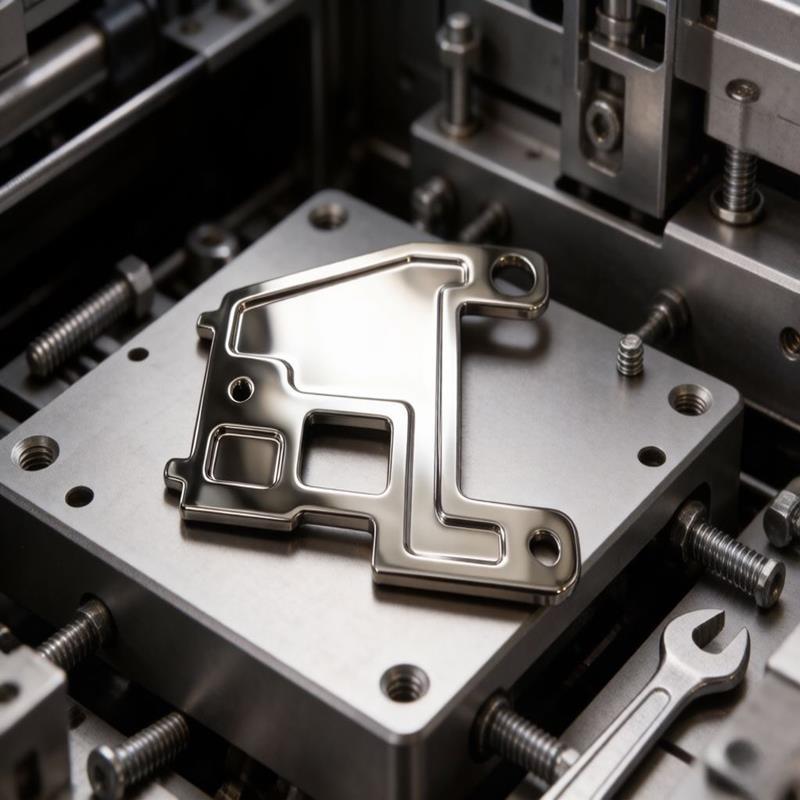
Штампованные детали из нержавеющей стали 304 используются во многих отраслях промышленности благодаря их уникальным химическим и механическим свойствам. Материал состоит в основном из железа с высокой концентрацией хрома и никеля. Производители ограничивают содержание углерода до максимума в 0,08% для предотвращения хрупкости. Марганец и кремний действуют как раскислители. Аустенитная структура обеспечивает нержавеющей стали 304 превосходную коррозионную стойкость. Хром реагирует с кислородом, образуя защитный слой, а никель повышает прочность и долговечность. Эти свойства особенно важны, когда требуются детали, способные выдерживать суровые условия эксплуатации.
Основные химические свойства:
Железная основа с высоким содержанием хрома и никеля.
Низкое содержание углерода
Марганец и кремний в качестве раскислителей
Механические свойства:
Предел текучести: около 215 МПа (31 200 фунтов на квадратный дюйм)
Предел прочности на растяжение: 505–720 МПа (73 200–104 400 фунтов на квадратный дюйм)
Твердость: 70–90 HRB
Плотность: 7,93 г/см³
Вы используете детали из штампованного металла Когда требуется точность и эффективность. Процесс включает в себя прессование плоских листов нержавеющей стали 304 в заданные формы с помощью штампов. Этот метод подходит для нержавеющей стали 304 благодаря ее превосходной формуемости и пластичности. Вы получаете стабильные результаты и высокую производительность. Цзясинь Компания выделяется благодаря передовой технологии штамповки и строгому контролю качества, гарантируя получение надежных штампованных деталей из нержавеющей стали 304 для сложных условий эксплуатации.
Совет: Выбирайте поставщика, такого как Jiaxin, для получения высококачественных штампованных металлических деталей и стабильного качества.
Вы полагаетесь на штампованные детали из нержавеющей стали 304 за их долговечность и универсальность. Этот материал более устойчив к коррозии, чем латунь и большинство других металлов, хотя нержавеющая сталь 316 обладает большей устойчивостью в морской среде.
|
Тип металла |
Описание коррозионной стойкости |
|---|---|
|
Нержавеющая сталь 304 |
Обладает коррозионной стойкостью благодаря пассивному слою оксида хрома, но не является полностью коррозионно-стойким. |
|
Латунь |
Как правило, обладает меньшей коррозионной стойкостью по сравнению с нержавеющей сталью, особенно в агрессивных средах. |
|
Нержавеющая сталь 316 |
Рекомендуется для использования в средах с хлоридами или при воздействии морской среды, обеспечивая лучшую коррозионную стойкость, чем сталь марки 304. |
Металлические штампованные детали из нержавеющей стали марки 304 используются в автомобильной, электронной, кухонной и медицинской промышленности. Сочетание прочности, коррозионной стойкости и универсальности делает эти детали незаменимыми для современного производства.
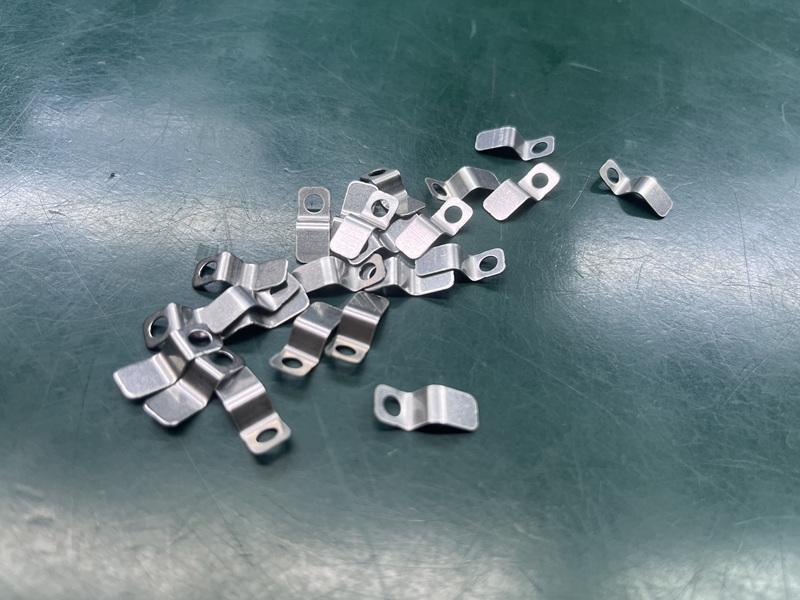
Штампованные детали из нержавеющей стали марки 304 используются в самых разных отраслях промышленности. Благодаря своей коррозионной стойкости, прочности и универсальности, эти компоненты играют важную роль во многих распространенных областях применения. Их использование выгодно в условиях, где долговечность и надежность имеют первостепенное значение.
В автомобильной промышленности повсеместно используются штампованные детали из нержавеющей стали марки 304. Производители применяют эти компоненты для изготовления кронштейнов, теплозащитных экранов, деталей выхлопной системы и элементов отделки. Автомобильная промышленность ценит эти детали за их способность выдерживать суровые условия эксплуатации, включая воздействие дорожной соли, влаги и экстремальных температур.
Выбирая нержавеющую сталь марки 304 для автомобильной промышленности, вы получаете высокую коррозионную стойкость и долговечность. Этот материал подходит для крупномасштабного производства и массового выпуска, что делает его идеальным как для крупносерийного, так и для специализированного автомобилестроения.
|
Преимущество |
Описание |
|---|---|
|
Коррозионная стойкость |
Образует защитный оксидный слой, предотвращающий ржавление и разрушение в агрессивных средах. |
|
Прочность и долговечность |
Выдерживает большие нагрузки и экстремальные температуры, превосходя углеродистую сталь по надежности. |
|
Экономически эффективное массовое производство |
Автоматизированные процессы сокращают количество отходов и затраты, поддерживая как крупносерийное, так и мелкосерийное производство. |
Цзясинь Компания предлагает передовые решения для штамповки в автомобильной промышленности, гарантируя вам стабильное качество и производительность.
В электронной промышленности и производстве промышленного оборудования вы полагаетесь на штампованные детали из нержавеющей стали марки 304. Эти детали используются в корпусах для наружного применения, соответствующих стандарту NEMA, корпусах медицинских приборов и в прочной военной технике. Вы выбираете этот материал за его превосходную коррозионную стойкость и высокую прочность на разрыв, которые защищают чувствительную электронику от воздействия окружающей среды.
|
Материал |
Приложения |
Характеристики |
|---|---|---|
|
Нержавеющая сталь 304 |
Корпуса класса NEMA, корпуса для медицинских приборов, военная техника. |
Превосходная коррозионная стойкость, высокая прочность на разрыв, немагнитные варианты. |
Вы получаете выгоду от надежности и безопасности, которые обеспечивают эти штампованные детали в сложных промышленных и электронных приложениях.
Детали из нержавеющей стали марки 304, изготовленные методом штамповки, используются в кухонном оборудовании и бытовой технике. К таким компонентам относятся кронштейны для моек, панели духовок, внутренние поверхности посудомоечных машин и рабочие поверхности для приготовления пищи. Эти детали ценятся за высокую коррозионную стойкость, обеспечивающую гигиеничность и простоту очистки.
Примечание: Использование нержавеющей стали марки 304 в кухонном оборудовании помогает обеспечить безопасность пищевых продуктов и продлевает срок службы приборов.
Цзясинь Компания поставляет высокоточные штампованные детали для кухонной и бытовой техники, поддерживая как крупносерийное производство, так и индивидуальные заказы.
В медицинских приборах и оборудовании для пищевой промышленности используются штампованные детали из нержавеющей стали марки 304. Нереактивная поверхность материала и устойчивость к окислению делают его идеальным для сред, где гигиена имеет первостепенное значение.
В металлодетекторе High Tek используется нержавеющая сталь, что обеспечивает гигиеничность и безопасность.
Оборудование соответствует строгим стандартам безопасности для пищевой промышленности.
Нержавеющая сталь марки 304 устойчива к окислению и солевой коррозии, обеспечивая целостность оборудования на протяжении многих лет эксплуатации.
Прочность материала обеспечивает стабильное качество продукции в пищевой промышленности.
Вы доверяете этим приложениям защиту здоровья и безопасности в чувствительных средах.
Детали из нержавеющей стали марки 304, изготовленные методом штамповки, можно увидеть в архитектурных элементах, таких как перила, декоративные панели и крепежные детали. Эти детали обеспечивают аккуратный внешний вид и устойчивы к воздействию погодных условий на открытом воздухе. В морской среде необходимо учитывать ограничения нержавеющей стали 304. Хотя она обеспечивает хорошую коррозионную стойкость во многих условиях, воздействие хлоридов в соленой воде может вызвать локальную коррозию, такую как точечная и щелевая коррозия. Для морских применений может быть предпочтительнее нержавеющая сталь марки 316, которая обеспечивает повышенную устойчивость к этим проблемам.
Совет: Для архитектурных проектов штампованные детали из нержавеющей стали марки 304 обеспечивают баланс между эстетикой и эксплуатационными характеристиками. Для морской среды перед выбором материала оцените конкретные условия воздействия хлоридов.
Вы полагаетесь на штампованные детали из нержавеющей стали 304 благодаря их универсальности и производительности в широком спектре распространенных применений. Их долговечность, высокая коррозионная стойкость и адаптивность делают их предпочтительным выбором в различных отраслях промышленности.
Выбор нержавеющей стали марки 304 для штампованных деталей дает ряд преимуществ. Этот материал обладает превосходной устойчивостью к окислению, что делает его пригодным для использования во многих средах. Нержавеющую сталь 304 можно использовать в условиях высоких температур, например, в печах для термообработки или химических реакторах. Рассмотрим следующие различия в характеристиках при высоких температурах:
Нержавеющая сталь марки 304 выдерживает температуру до 870 °C, но при более высоких температурах может терять коррозионную стойкость и механические свойства.
В печи, работающей при температуре 800 °C, нержавеющая сталь марки 304 демонстрирует хорошие показатели.
При непрерывной эксплуатации при температурах выше 870°C нержавеющая сталь марки 316 сохраняет лучшие механические свойства благодаря более высокому содержанию никеля и молибдена.
В высокотемпературной химической обработке нержавеющая сталь марки 316 часто предпочтительнее благодаря своей превосходной прочности.
Цзясинь Мы предлагаем штампованные детали, соответствующие строгим стандартам качества, что гарантирует надежную работу в сложных условиях эксплуатации.
Вы получаете выгоду от долговечности нержавеющей стали 304 как в производстве, так и в повседневной эксплуатации. Этот материал устойчив к коррозии и сохраняет прочность, что снижает необходимость частой замены. Вы снижаете общие производственные затраты, поскольку нержавеющая сталь 304 обеспечивает эффективное крупномасштабное производство. Компания Jiaxin использует передовые технологии для максимальной экономической эффективности и стабильности каждой партии.
Нержавеющая сталь марки 304 обладает непревзойденной универсальностью благодаря своей превосходной формуемости. Это свойство позволяет создавать сложные формы и замысловатые конструкции в процессе производства. В следующей таблице показано, как ключевые свойства влияют на гибкость проектирования:
|
Свойство |
Влияние на гибкость проектирования |
|---|---|
|
Коррозионная стойкость |
Обеспечивает возможность использования в различных условиях и приложениях. |
|
Свариваемость |
Облегчает сборку и интеграцию сложных конструкций. |
|
Формуемость |
Позволяет создавать сложные формы и геометрические фигуры при штамповке. |
Вы полагаетесь на нержавеющую сталь 304 благодаря ее формуемости, что позволяет внедрять инновационные решения в области производства. Опыт компании Jiaxin гарантирует, что вы получите штампованные детали с высокой точностью формуемости, каждый раз отвечающие вашим уникальным требованиям.
Штампованные детали из нержавеющей стали 304 обеспечивают превосходную коррозионную стойкость, формуемость и экономичность. Благодаря эластичности и устойчивости к усталости, эти детали способствуют развитию отрасли, что делает их идеальными для пружинных контактов и заземляющих зажимов. Цзясинь Предлагает надежные решения, позволяющие оставаться впереди по мере дальнейшего развития производства.
Для аэрокосмической отрасли выбирают штампованные детали из нержавеющей стали марки 304, потому что они устойчивы к коррозии и обеспечивают надежную работу. Компания Jiaxin гарантирует стабильное качество для сложных задач в аэрокосмической отрасли.
В аэрокосмической отрасли используются штампованные детали из нержавеющей стали марки 304. Эти детали выдерживают экстремальные температуры и сохраняют структурную целостность. Компания Jiaxin предлагает передовые решения в области штамповки для нужд аэрокосмической отрасли.
Вы полагаетесь на Jiaxin в вопросах точной штамповки деталей. Компания применяет строгий контроль качества и передовые технологии. Вы получаете долговечные компоненты для аэрокосмической, автомобильной и промышленной отраслей.
Категории
последний блог
 33#Building Huli Industrial Zones, Meixi Road, Xike Town, Tong'an Area, Xiamen,China


© авторское право: 2026 Jiaxin (Xiamen) Precise Metal Co.,Ltd. Все права защищены

IPv6 сеть поддерживается
Сканирование в WeChat

 русский