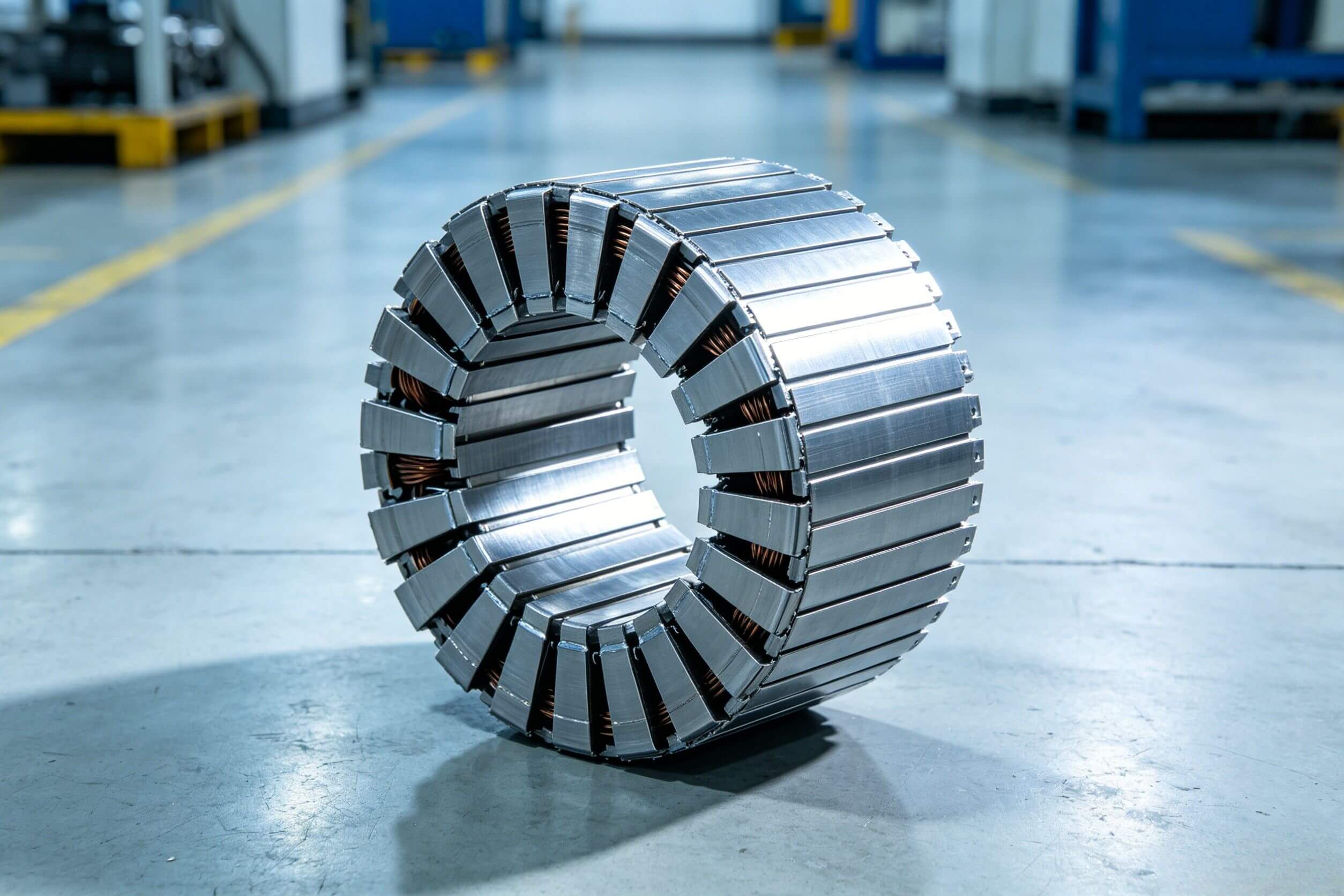
Какой сорт электротехнической стали лучше всего подходит для статора и ротора электродвигателей электромобилей
Ориентированная по зерну против неориентированной электротехнической стали: какая лучше для двигателей EV?
Большинство покупателей путают ориентированную по зерну и неориентированную электротехническую сталь для производства двигателей EV. Вот чёткое различие:
Ориентированная по зерну электротехническая сталь (CRGO): предназначена только для трансформаторов с односторонним направлением магнитного потока. Не подходит для статоров и роторов EV.
Неориентированная электротехническая сталь (NOES): обладает равномерными многонаправленными магнитными свойствами, идеально подходит для вращающихся магнитных полей. Все стандартные сердечники статоров и роторов EV используют неориентированную электротехническую сталь.
Лучшая толщина и марки электротехнической стали для статора и ротора EV
Основное правило выбора электротехнической стали для двигателей EV: более высокая частота и скорость двигателя требуют более тонкой высококачественной стали с низкими потерями. Ниже приведены наиболее практичные и широко применяемые марки для коммерческих двигателей EV.
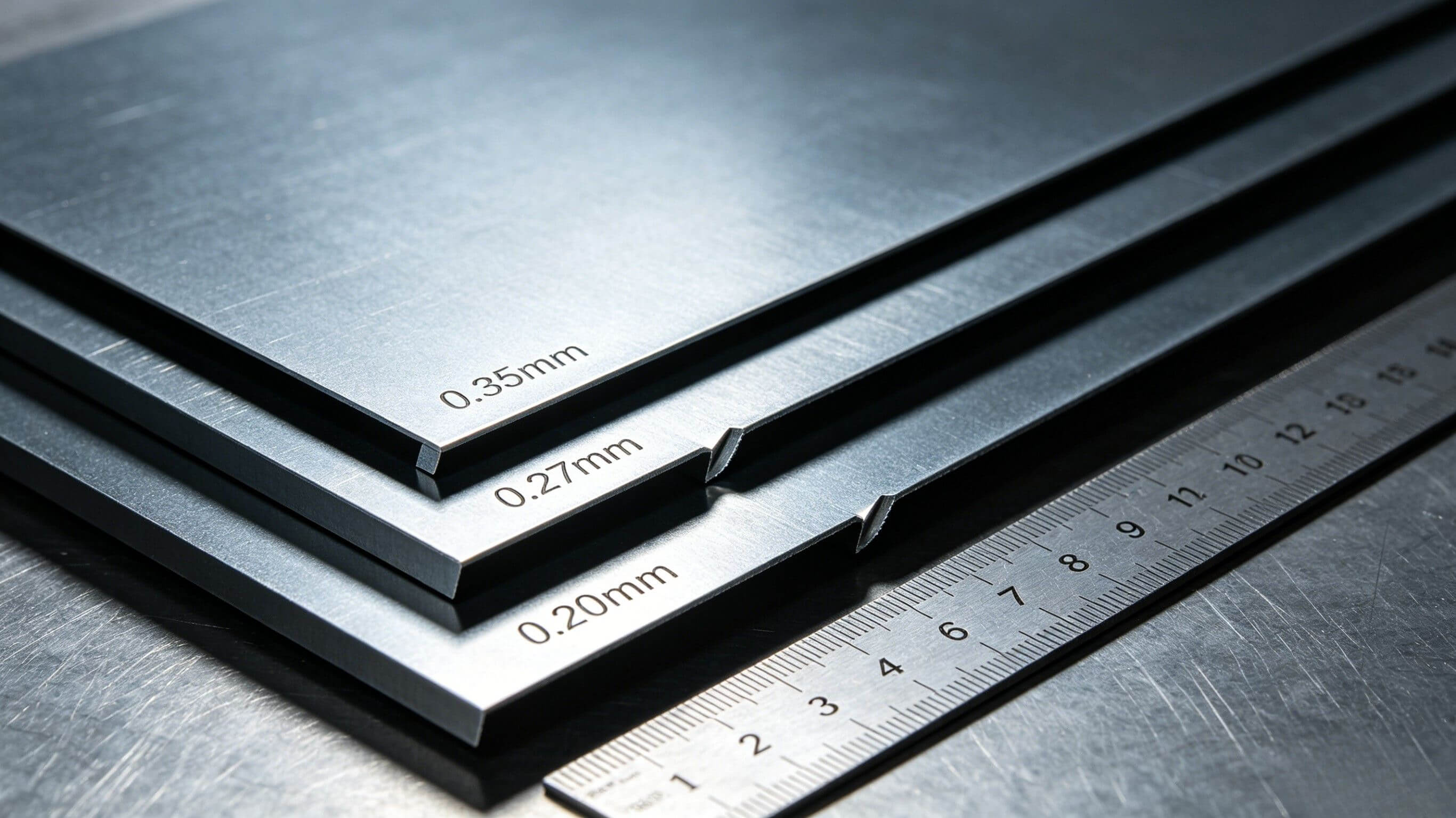
1. Серия 0.35 мм — стандартный класс для двигателей EV легковых автомобилей
Рекомендуемые марки: 35SW300, 35SW360, 35SW440
Неориентированная электротехническая сталь толщиной 0.35 мм — основной выбор для массово производимых тяговых двигателей EV, обеспечивающий баланс между низкими потерями в сердечнике, механической стабильностью и экономической эффективностью.
- Применение: стандартные синхронные двигатели с постоянными магнитами (PMSM) для массовых электромобилей легкового сегмента.
- Преимущества: стабильные магнитные характеристики, низкие высокочастотные потери, удобство штамповки и лазерной сварки.
- Особенность: подходит для частоты работы двигателя ниже 400 Гц, КПД двигателя до 95%+.
2. Серия 0.27 мм — премиальный класс для высокоэффективных двигателей EV
Рекомендуемые марки: 27SW210, 27SW230, 27SW250
Ультратонкая электротехническая сталь 0.27 мм — премиальный вариант для 800-вольтовых платформ EV и высокоэффективных моделей. Она значительно снижает высокочастотные потери на вихревые токи, уменьшает нагрев двигателя и повышает запас хода.
- Применение: автомобили премиум-класса, дальнобойные модели EV, двигатели коммерческого транспорта с высокой эффективностью.
- Преимущества: крайне низкие потери в стали, меньшее тепловыделение, повышенная долговечность двигателя.
- Эффект: увеличение запаса хода за счёт снижения энергопотребления двигателя.
3. Серия 0.20 мм — ультрапремиальный класс для высокоскоростных двигателей EV
Рекомендуемые марки: 20SW180, 20SW200
Ультратонкая сталь 0.20 мм применяется в высокоскоростных и высокопроизводительных приводах EV. Она минимизирует потери в сердечнике при сверхвысоких частотах 600–800 Гц, обеспечивая стабильную работу двигателя на высоких скоростях.
- Применение: высокопроизводительные спортивные EV, высокоскоростные приводные двигатели, двигатели специальных транспортных средств.
- Преимущества: лидирующе низкие потери в отрасли, отличная стабильность на высоких скоростях.
- Ограничение: более высокая стоимость материала и более строгие требования к штамповке.
Почему не следует использовать сталь 0.5 мм для двигателей EV?
Обычные марки 0.5 мм, такие как 50W470 и 50W600, подходят для бытовой техники и промышленных двигателей, но не подходят для основных тяговых двигателей EV.
При высоких рабочих частотах EV сталь 0.5 мм вызывает серьёзные потери на вихревые токи, перегрев и снижение эффективности. Её можно использовать только для вспомогательных маломощных двигателей EV, но не для основных статоров и роторов.
Процесс производства сердечников EV с соответствием различным маркам
Правильные производственные процессы подбираются под разные марки электротехнической стали для обеспечения оптимальных характеристик сердечников двигателей EV:
- Стандарт 0.35 мм: лазерная сварка и пакетирование — основной процесс, обеспечивающий высокий коэффициент заполнения (0.97–0.98) для массового производства сердечников EV.
- Высокие классы 0.27 мм / 0.20 мм: используется склеивание или прецизионная лазерная сварка, предотвращающая деформацию материала и обеспечивающая сверхнизкие потери.
- Конструкция с наклоном ротора: все высококачественные ламели ротора EV поддерживают обработку наклона пазов 8°–15° для снижения пульсаций крутящего момента и шума двигателя.
1. Какая марка электротехнической стали лучше для статора и ротора EV?
Для массового производства основных тяговых двигателей EV лучшим по соотношению цена/качество является 35SW300/35SW360 (0.35 мм). Для высокоэффективных и дальнобойных EV оптимальным выбором является 27SW210/27SW230 (0.27 мм).
2. Можно ли использовать ориентированную электротехническую сталь в двигателях EV?
Нет. Ориентированная по зерну электротехническая сталь подходит только для одностороннего магнитного потока в трансформаторах. В вращающихся двигателях EV она вызывает серьёзное ухудшение характеристик и потери.
3. Как влияет марка электротехнической стали на характеристики двигателя EV?
Высококачественная тонкая электротехническая сталь снижает потери в сердечнике на 20%–40%, уменьшает тепловыделение и повышает эффективность двигателя на 2%–4%, что улучшает запас хода и стабильность EV.
Вывод
В целом, лучшим материалом для статоров и роторов двигателей EV является тонкая неориентированная электротехническая сталь с низкими потерями. Марки 0.35 мм подходят для стандартных массовых EV, 0.27 мм — для высокоэффективных дальнобойных моделей, а 0.20 мм — для высокоскоростных производительных двигателей EV. Правильный выбор марки обеспечивает более высокую эффективность двигателя и лучшую термическую стабильность.
Категории
последний блог
 33#Building Huli Industrial Zones, Meixi Road, Xike Town, Tong'an Area, Xiamen,China


© авторское право: 2026 Jiaxin (Xiamen) Precise Metal Co.,Ltd. Все права защищены

IPv6 сеть поддерживается
Сканирование в WeChat

 русский