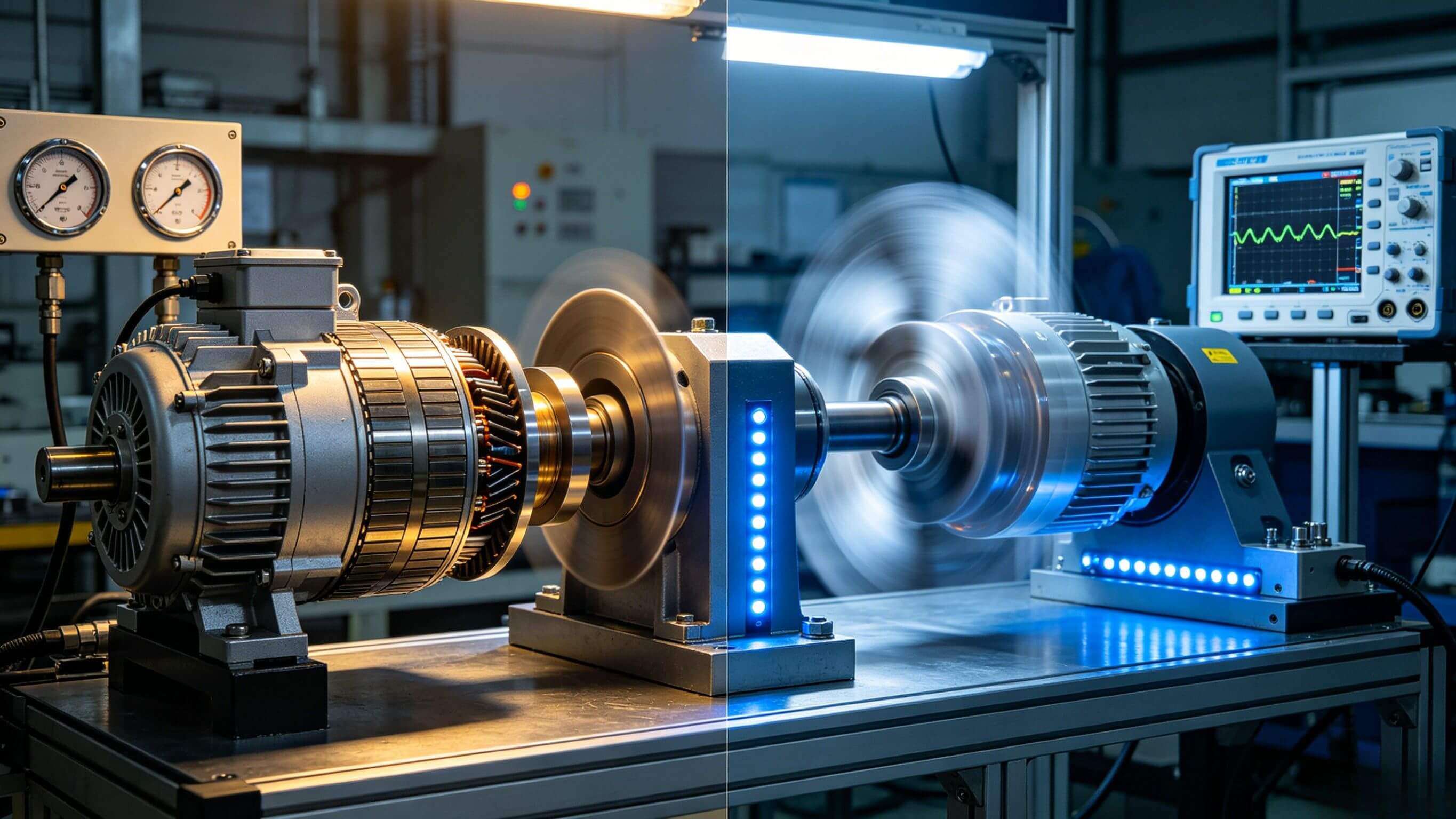
В чём разница между сердечниками электродвигателей электромобилей и традиционных двигателей
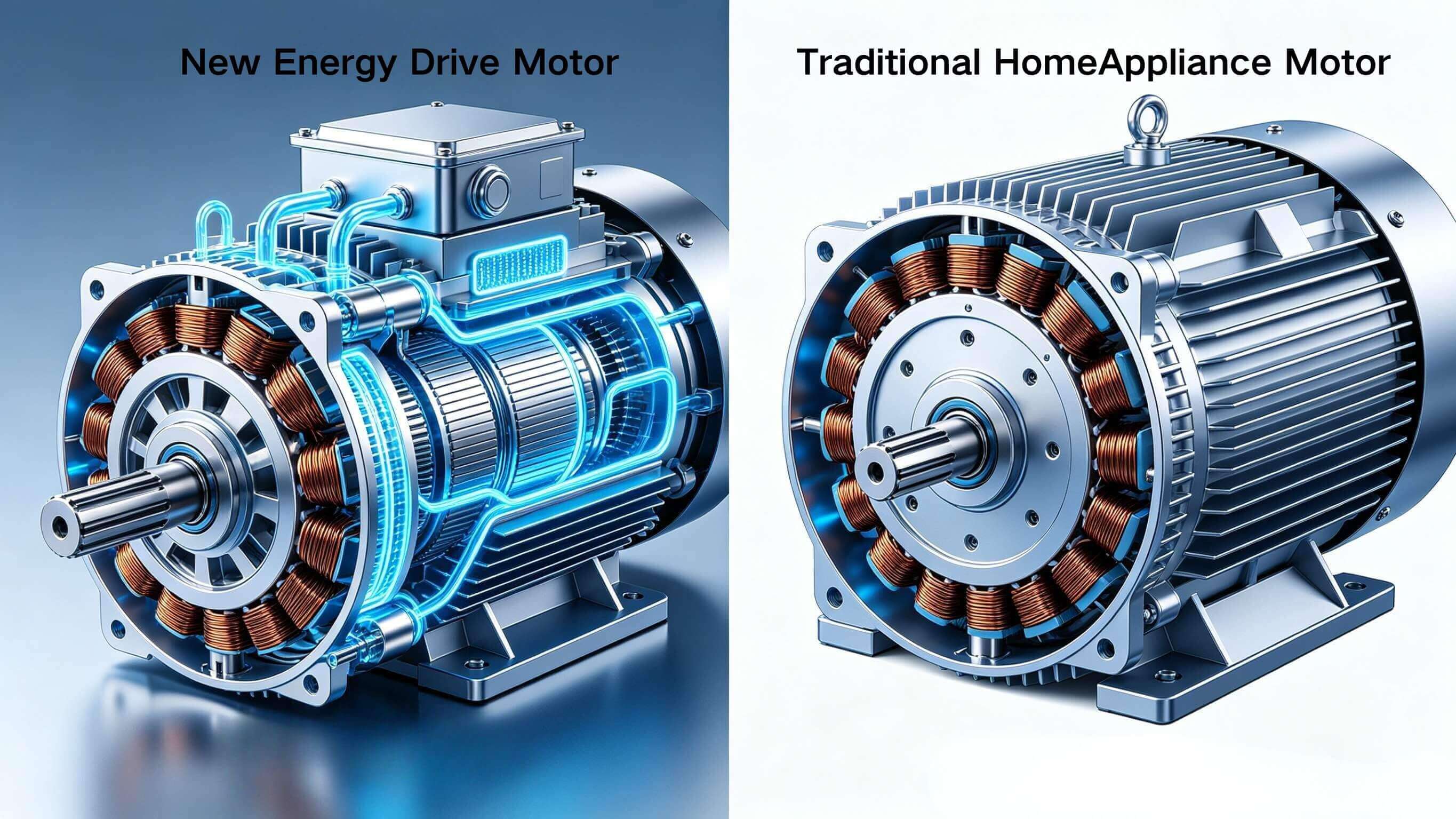
Сердечники двигателей, включая пластины статора и ротораявляются критически важными компонентами, которые определяют эффективность двигателя, стабильность и срок службы. Производители классифицируют их на сердечники двигателей новой энергетики и традиционные сердечники двигателей. Хотя и статор, и ротор изготавливаются из ламинированной кремнистой стали методом штамповки, они значительно различаются по материалам, стандартам точности и условиям эксплуатации.
Сценарии применения
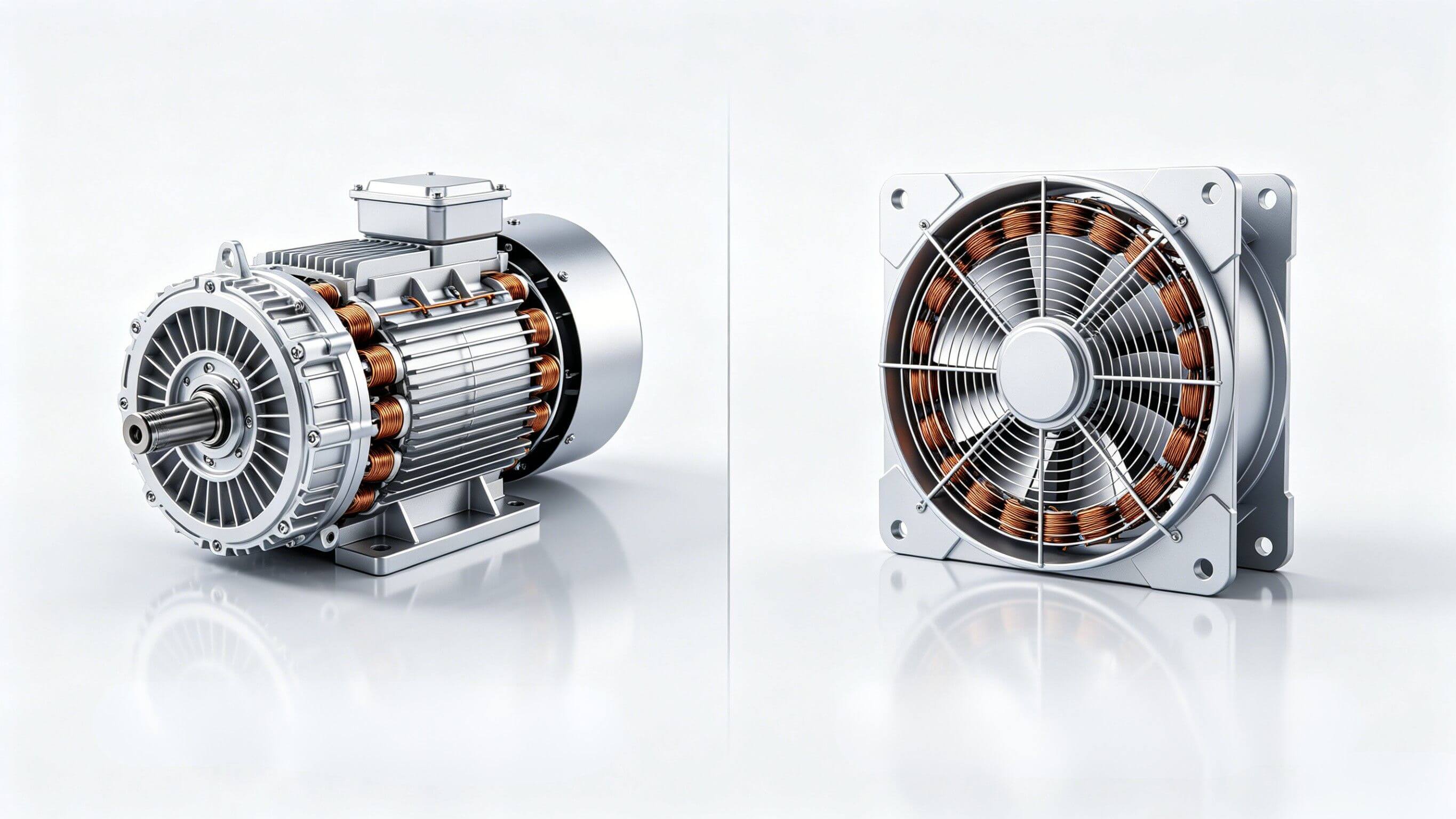
Традиционные сердечники двигателей широко используются в бытовой технике, вентиляторах, насосах и обычных промышленных электродвигателях. Разработанные для стабильной и низкоскоростной работы, они подходят для общего оборудования с базовыми требованиями к производительности.
Сердечники двигателей новой энергетики предназначены для приводных двигателей электромобилей, систем накопления энергии и высокомощных промышленных двигателей. Они поддерживают частые пуски и остановки, переменную скорость и работу при высокой нагрузке в жестких условиях эксплуатации.
Сырьевые материалы
Выбор материала является основным различием между двумя продуктами.
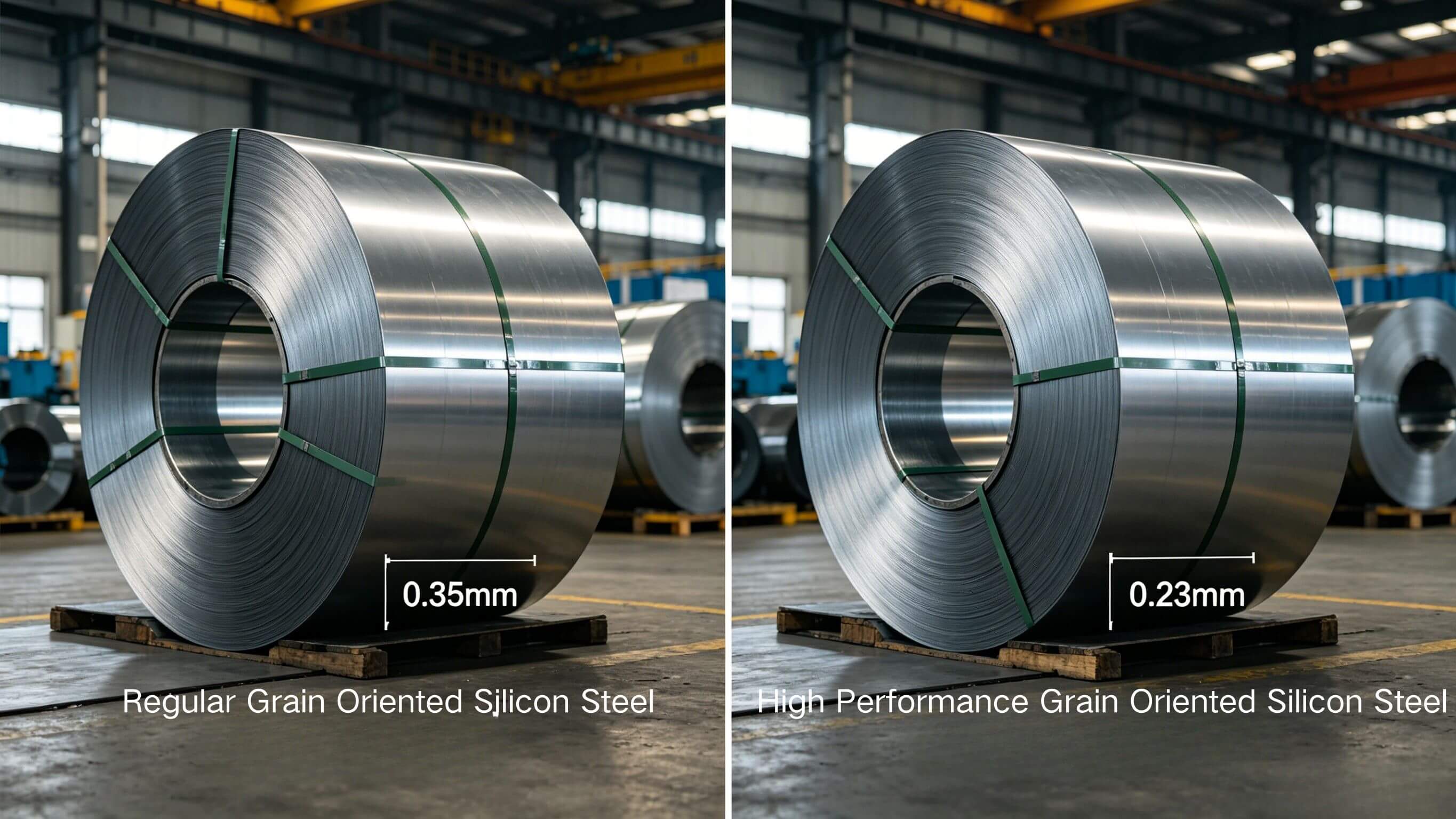
Традиционные сердечники двигателей изготавливаются из обычных недорогих листов кремнистой стали. Обладая средними потерями в стали и магнитными свойствами, эти материалы идеально подходят для экономически эффективного массового производства стандартных двигателей.
Сердечники двигателей новой энергетики используют высококачественную тонкую электротехническую сталь. Обладая более низкими потерями в стали и отличной термостойкостью, материал минимизирует тепловыделение при высокочастотной работе и повышает общую энергоэффективность двигателя.
Производство Точность
Точность размеров напрямую влияет на качество сборки двигателя и уровень шума при работе.
Традиционные сердечники двигателей допускают большие допуски и менее строгий контроль заусенцев. Простые процессы штамповки помогают производителям снижать затраты на пресс-формы и производство.
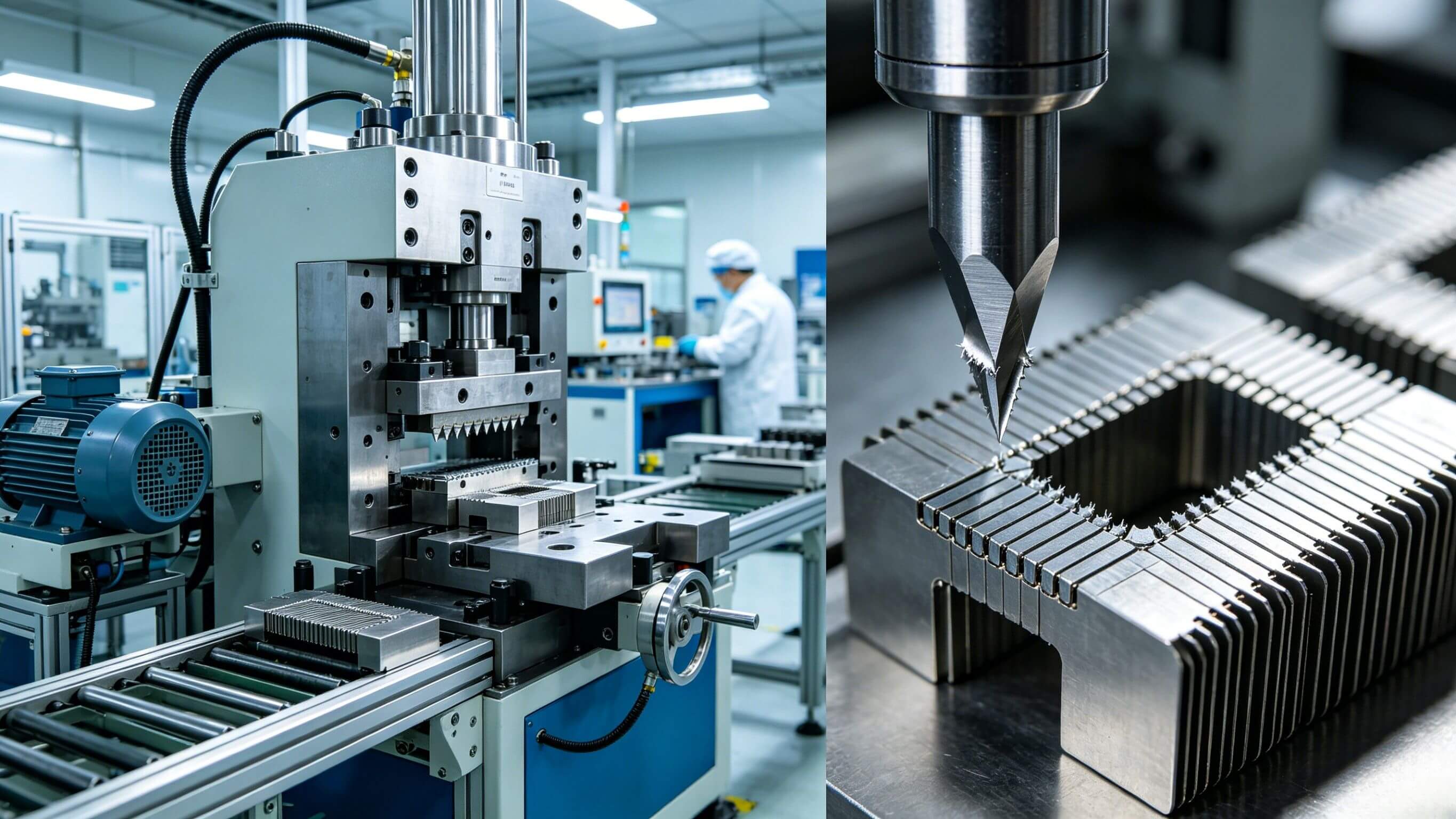
Сердечники двигателей новой энергетики требуют штамповки и ламинирования с точностью до микроуровня. Строгий контроль заусенцев и производство в условиях без пыли необходимы для обеспечения динамической балансировки высокоскоростных приводных двигателей.
Условия эксплуатации и долговечность
Обычные двигатели работают стабильно на фиксированных скоростях с небольшими температурными колебаниями, поэтому обычным сердечникам двигателей требуется только базовая структурная стабильность.
Сердечники двигателей электромобилей обычно работают на 10 000–20 000 об/мин. Они должны выдерживать высокие температуры, интенсивные вибрации и частые изменения скорости, что требует высокой термостабильности и устойчивости к усталости материала.
Ценовое позиционирование
Благодаря зрелым технологиям и доступным материалам традиционные сердечники двигателей являются бюджетными и доминируют на гражданском рынке двигателей.
Сердечники двигателей новой энергетики — это высокоточные изделия премиум-класса. Более высокая стоимость материалов и более строгие производственные стандарты делают их подходящими для транспортных средств новой энергетики и современных систем накопления энергии.
Заключение
Подводя итог, основные различия включают материалы, точность производства, долговечность и области применения. Традиционные сердечники двигателей ориентированы на преимущество в стоимости, тогда как сердечники двигателей новой энергетики делают акцент на низких потерях в стали, высокой точности и высокой эффективности для высококлассных приводных двигателей.
Нужны индивидуальные пластины статора и ротора для двигателей новой энергетики или традиционных двигателей? Мы предоставляем надежные решения OEM & ODM для высокоточной штамповки металла.

Категории
последний блог
 33#Building Huli Industrial Zones, Meixi Road, Xike Town, Tong'an Area, Xiamen,China


© авторское право: 2026 Jiaxin (Xiamen) Precise Metal Co.,Ltd. Все права защищены

IPv6 сеть поддерживается
Сканирование в WeChat

 русский